
Services
Eye Care Services In Vision Source InSight Eyecare
We offer a wide variety of eye care services to the Atlanta community. Contact us with any questions about our services.
Comprehensive Eye Exam
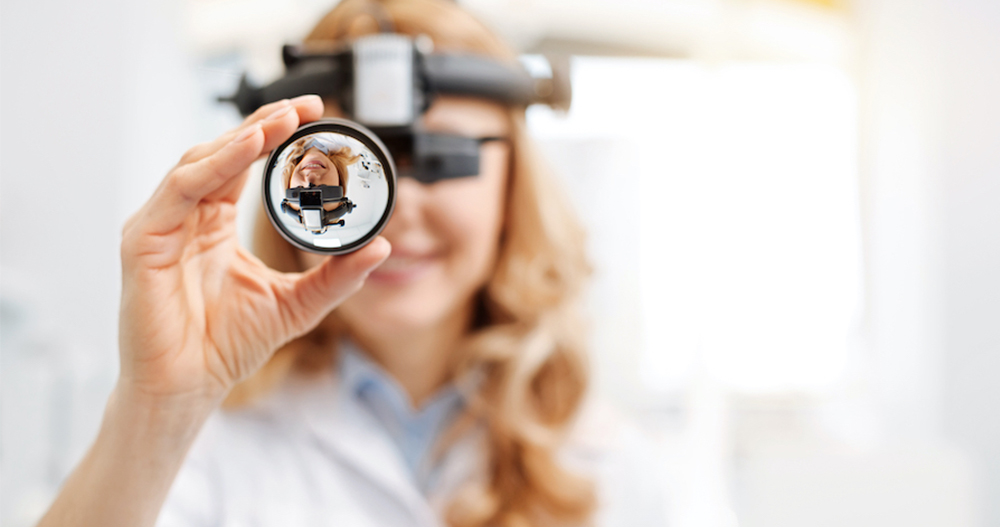
If you’ve had a vision screening recently, you might say, “My vision is fine! I don’t need a comprehensive eye exam.” But a vision screening provides a limited perspective on the overall health of your eyes. It’s a bit like getting your blood pressure checked and not getting the rest of your annual physical. You’ll have useful information, but it’s not the whole picture.
Pediatric Eye Exam
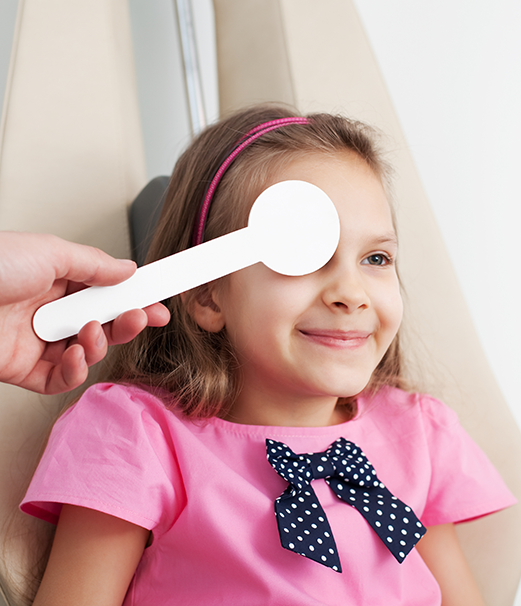
Regular eye exams are important for children since their eyes can change significantly in as little as a year as the muscles and tissue develop. Good eyesight is critical for a child’s life and achievements since success in school is closely tied to eye health. School demands intense visual involvement, including reading, writing, using computers, and blackboard/smartboard work. Even physical activities and sports require strong vision. If their eyes aren’t up to the task, a child may feel tired, have trouble concentrating, have problems in school or have difficulty playing their favorite games which may affect their overall quality of life.
Emergency Eye Exams

Urgent eye care encompasses prompt evaluation and treatment of sudden or severe eye-related issues, including foreign object removal, chemical exposure, corneal abrasions, sudden vision loss, eye trauma, acute glaucoma, chemical burns, and eye infections. Seeking immediate professional attention from an optometrist is vital to prevent further damage and preserve vision.
Eye Disease Treatment

Millions of patients are diagnosed with diseases and conditions of the eye every year. Some of which may not display symptoms until there is irreversible damage to the patient’s vision. The outcome of eye disease can range from temporary discomfort to total loss of vision, which is why all eye problems and diseases should be taken seriously and regular eye check-ups are absolutely essential.
Diabetic Eye Disease

You have almost certainly heard of diabetes, which is one of the most common chronic health conditions in the United States, with an estimated 100 million adults currently living with diabetes or pre-diabetes. This metabolic disorder occurs when the body is no longer able to regulate its own blood sugar levels and requires intervention to keep them stable. Most people are aware that diabetes can have serious consequences for their health. However, you may be surprised to learn that it can also influence our vision.
Glaucoma

If you’ve been diagnosed with glaucoma, you’re probably already familiar with the typical options in glaucoma treatment – eye drops, laser treatment, or traditional surgery. While these are certainly effective, especially when glaucoma is diagnosed early, researchers have been working hard to offer new glaucoma treatments. Their goal is not only to improve outcomes but also reduce the treatment’s side effects and frequency of use.
Macular Degeneration

Macular degeneration, commonly referred to as age-related macular degeneration (AMD), is the single largest cause of sight loss in the developed world and affects more than 10 million Americans. It usually affects people over the age of 60, but it has been known to affect those who are younger. It is a painless condition that usually affects both eyes, with the loss being experienced in the central vision. It does not affect the peripheral vision, meaning that it does not cause total blindness.
Cataracts

If you’ve been diagnosed with cataracts, you may wonder if cataract surgery is right around the corner. Not to worry. There are many preventive steps you can take to slow the progression of cataracts and preserve your vision. That doesn’t mean you won’t eventually need surgery, but you can at least delay the need for quite a while.
Dry Eye Treatment

Dry Eye can have a major impact on your quality of life. You may find your eyes get tired faster or you have difficulty reading. Not to mention the discomfort of a burning sensation or blurry vision. Let’s take a look at dry eye treatments – from simple self-care to innovative prescriptions and therapies – to help you see clearly and comfortably.
Myopia Control

Myopia (or nearsightedness) is so common that nearly 50% of North Americans will have myopia by 2030. Myopia happens when the eye grows too fast, too long, and gets weaker. You may know it as blurry vision far away. At our practice, we specialize in pediatric eye care and treat myopia seriously. Myopia can develop as young as age 3, and it often gets worse as children grow. Parents may not see signs that their child has myopia, such as squinting or having to sit up close to the television or computer screen to see clearly. Children often don’t realize their vision is blurry.
Contact Lenses

Wearing contact lenses gives patients the flexibility and freedom to live life to the fullest, without some of the difficulties presented by wearing glasses. Many people who choose contact lenses do so because they don’t like the way that glasses look or feel, or because wearing glasses compromises their ability to perform certain tasks or activities, such as sports or jobs that require the use of safety goggles. There are lots of different contact lenses to choose from, with two of the most popular being daily disposables and toric lenses.
Specialty Contacts lenses

Every patient is different and so are their eyes. This means that there need to be different types of contact lenses to suit each individual. Some patients have corneal abnormalities which mean that conventional lenses won’t sit comfortably on the surface of their eyes, while others suffer from eye conditions that mean normal contact lenses won’t be comfortable or could irritate their eyes.
Want to learn more about our optometry services? Call 4042501680 to schedule a consultation today.
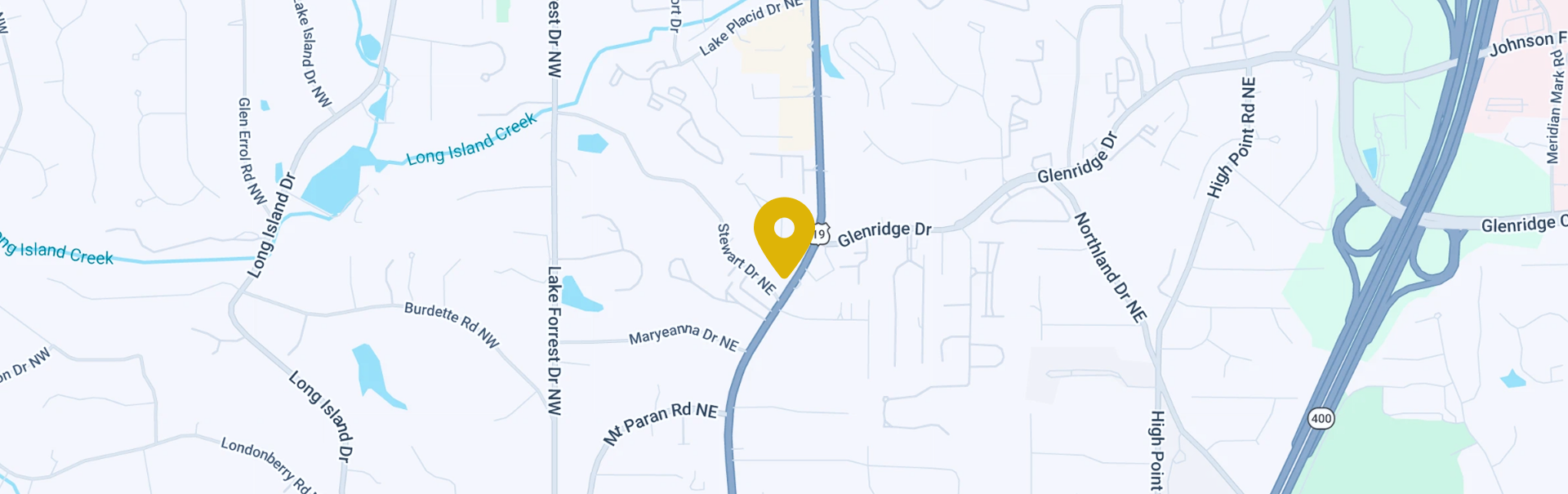
Contact Info
Hours of Operation
- Monday 9:00am - 5:30pm
- Tuesday 9:00am - 7:00pm
- Wednesday 9:00am - 5:30pm
- Thursday 9:00am - 5:30pm
- Friday 9:00am - 5:30pm
- Saturday Closed
- Sunday Closed
© 2026 Vision Source InSight Eyecare. All rights Reserved. Accessibility Statement - Privacy Policy - Sitemap
Managed & Designed By:
