
Comprehensive Eye Exams
It's about more than just blurry vision.
Eye exams are vital to your overall health.
In addition to assessing your visual acuity, your eye care provider will test for common eye diseases, assess how your eyes are functioning together, and more.
Serious health issues like diabetes and high blood pressure are often first detected during an eye exam.
How Often for Eye Exam - Adult
| Patient age (years) | Normal | At-risk |
|---|---|---|
| 18 through 39 | At least every two years | At least annually, or as recommended |
| 40 through 64 | At least every two years | At least annually, or as recommended |
| 65 and older | Annually | At least annually or as recommended |
Adults who should receive an Annual Eye Exam? (At Risk):
A personal or family history of ocular disease
Systemic health conditions with potential ocular manifestations
Occupations that are highly demanding visually or have a high potential of being hazardous to the eyes
Taking prescription or nonprescription drugs with ocular side effects
Functional vision in only one eye
Wearing contact lenses
Eye surgery or previous eye injury
High or progressive refractive error
Other eye-related health concerns or conditions. Patients who have undergone refractive surgery (LASIK, PRK, SMILE) should still have an eye exam every 1-2 years for monitoring of overall ocular health.
What does a comprehensive eye exam include?
Your optometrist will determine what tests are needed based on your medical history.
However, most comprehensive eye exams include the following:
Visual acuity to test the sharpness of your vision, usually with an eye chart
Visual fields test to check for blind spots in your vision
Retinoscopy to estimate your eyeglass prescription
Refraction to determine your exact eyeglass prescription
Slit lamp to check for common eye diseases and conditions
Retinal photo screenings to test for diabetic retinopathy
Tonometry to test for glaucoma
Ophthalmoscopy to examine the optic nerve, retina, and blood vessels
Skin Carotenoid Scanner to measure the antioxidant level of your eyes and body
What about contact lens exams?
A comprehensive eye exam typically does not include a contact lens fitting. So you may need to schedule a separate contact lens exam.
Just let us know when you schedule your appointment, and we'll make sure you are taken care of.
Make healthy vision a priority in your life and in the lives of the ones you love.


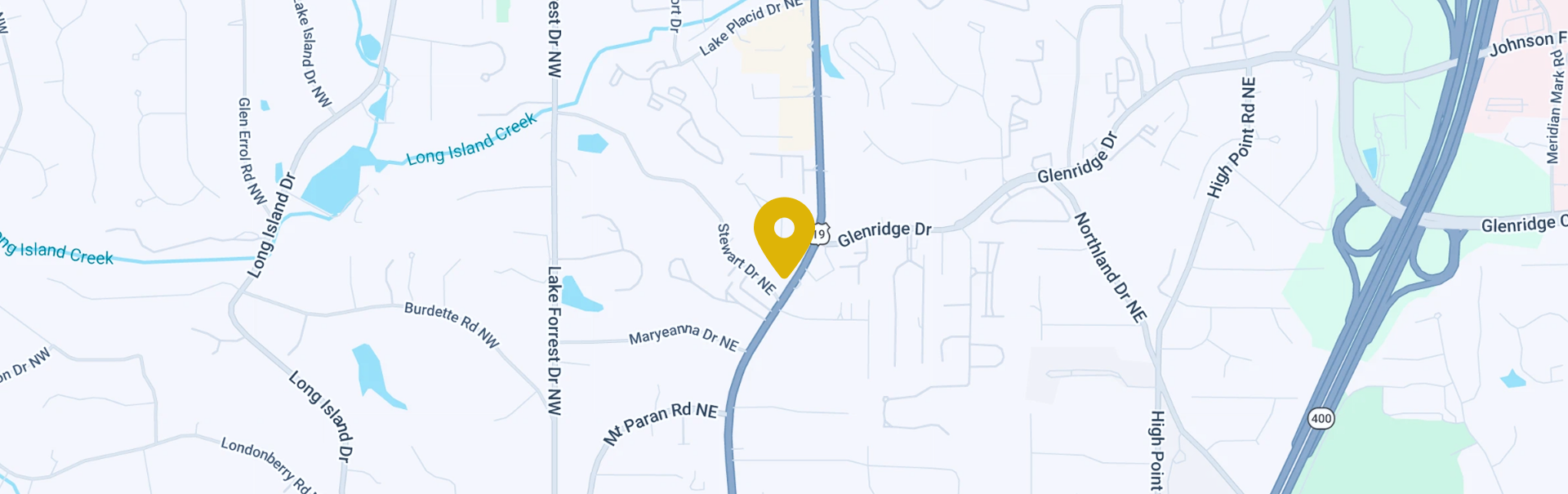
Contact Info
Hours of Operation
- Monday 9:00am - 5:30pm
- Tuesday 9:00am - 7:00pm
- Wednesday 9:00am - 5:30pm
- Thursday 9:00am - 5:30pm
- Friday 9:00am - 5:30pm
- Saturday Closed
- Sunday Closed

© 2026 Vision Source InSight Eyecare. All rights Reserved. Accessibility Statement - Privacy Policy - Sitemap
Managed & Designed By:
