
Pediatric Eye Care
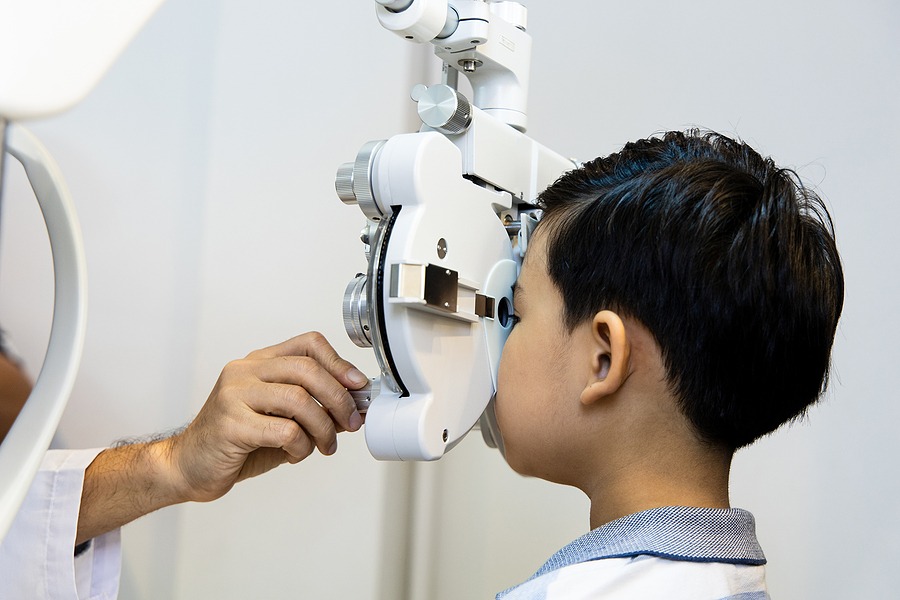
Support your child's highest potential.
Healthy vision is one of the most important components of your child’s wellness.
Vision develops rapidly starting at birth and is tied to many developmental milestones, such as hand-eye coordination and reading. In the long term, your child’s vision will impact how they learn, play, and interact with the world.
While there may be some obvious signs of visual disorders, many vision problems can only be detected by a qualified eye doctor during a comprehensive eye exam.
How often for Eye Exam - Pediatric
According to the AOA, parents should consider getting their children's eyes tested a couple of times before 5 years of age and then annually thereafter unless there are some underlying health or vision conditions or the presence of risk factors during pregnancy that require more frequent visits.
| Patient age (years) | Asymptomatic/low-risk | At-risk |
|---|---|---|
| Birth through 2 | At 6 to 12 months of age | At 6 to 12 months of age or as recommended |
| 3 through 5 | At least once between 3 and 5 years of age | At least once between 3 and 5 years of age or as recommended |
| 6 through 17 | Before first grade and annually thereafter | Before first grade and annually, or as recommended thereafter |
Factors placing an infant, toddler, or child at significant risk for eye and vision problems include:
Premature birth, Low birth weight
Family History of: Myopia, amblyopia, strabismus
Infection during pregnancy
Smoking, Alcohol, or Drug Use during pregnancy
Difficult or assisted labor
High or progressive refractive error
Strabismus or eye turn
Academic performance problems, due to dyslexia, ADHD
Known or suspected neurodevelopmental disorders
Systemic health conditions with potential ocular manifestations
Wearing contact lenses
Functional vision in only one eye
Eye surgery or previous eye injury
Children often receive vision screenings at school, and these should not be confused with a complete vision exam. The American Optometric Association makes recommendations that are specifically for Comprehensive Eye Exams.
Is your child having trouble seeing?
It is not always easy to spot vision problems in kids.
Some symptoms are more obvious, like squinting or holding reading materials very close. But often the early signs are subtle and can even be misdiagnosed.
Your child may be experiencing a vision problem if he or she does any of the following:
Avoids reading and close-up work like coloring or doing puzzles
Seems to work slow or not understand the task
Complains of fatigue or headaches
Has a short attention span or seems distracted
Covers one eye or tilts head when focusing on something
Shows sensitivity to light
Exhibits difficulty with coordination
Common eye disorders in children
Vision can be affected by many things, including the shape of the eyeball, how the eyes and brain work together, and by other diseases or medical conditions. The good news is that many eye disorders can be successfully identified and treated.
The most common eye disorders are caused by the shape and alignment of the eyes, including:
Strabismus is when the eyes do not align properly. This is often referred to as "crossed eyes."
Amblyopia is poor vision in one eye, and is sometimes referred to as "lazy eye." It usually occurs before the age of eight. Infants born prematurely or with low birth weight are at greater risk.
Refractive errors cause blurry images due to the shape of the eyeball or lens. These common conditions are easily treated with glasses or contact lenses. There are three types of refractive errors:
Myopia or nearsightedness is good close vision but poor distance vision.
Hyperopia or farsightedness is poor up-close vision. Distant objects can easily be seen.
Astigmatism is imperfect vision at any distance.
Support your child's highest potential at Vision Source InSight Eyecare today.


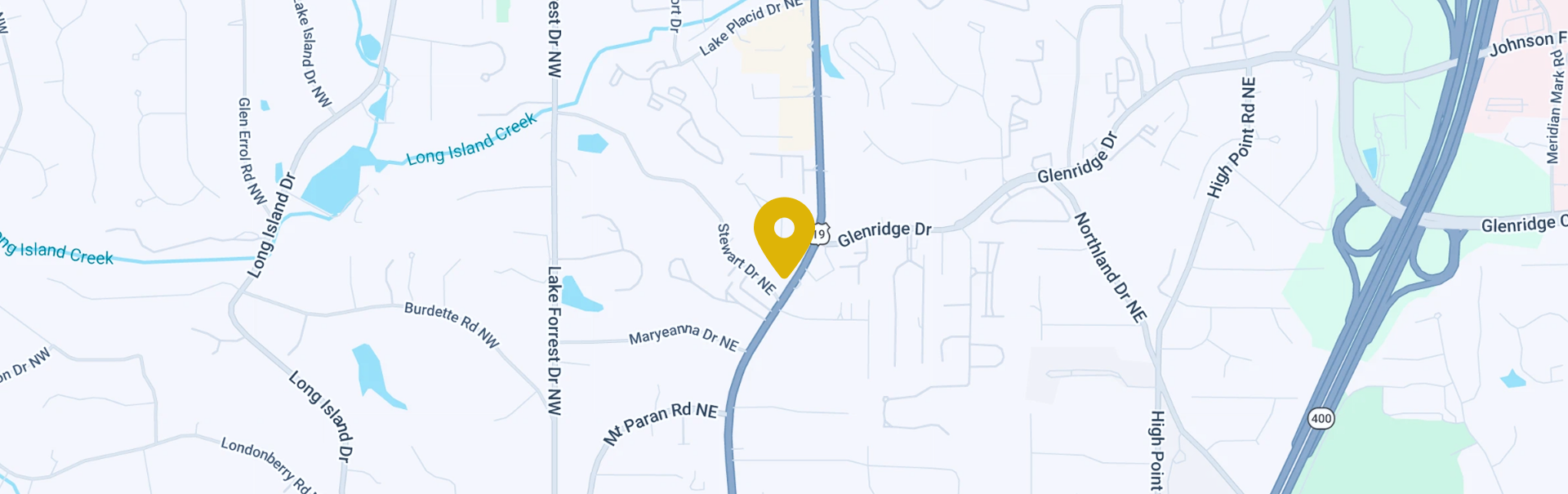
Contact Info
Hours of Operation
- Monday 9:00am - 5:30pm
- Tuesday 9:00am - 7:00pm
- Wednesday 9:00am - 5:30pm
- Thursday 9:00am - 5:30pm
- Friday 9:00am - 5:30pm
- Saturday Closed
- Sunday Closed

© 2026 Vision Source InSight Eyecare. All rights Reserved. Accessibility Statement - Privacy Policy - Sitemap
Managed & Designed By:
